Rick’s Magical SubstackTravel
Little Fish in a Big Pond: Two Weeks on the Streets of Japan
Street photography, neon and quiet order in Tokyo and Osaka
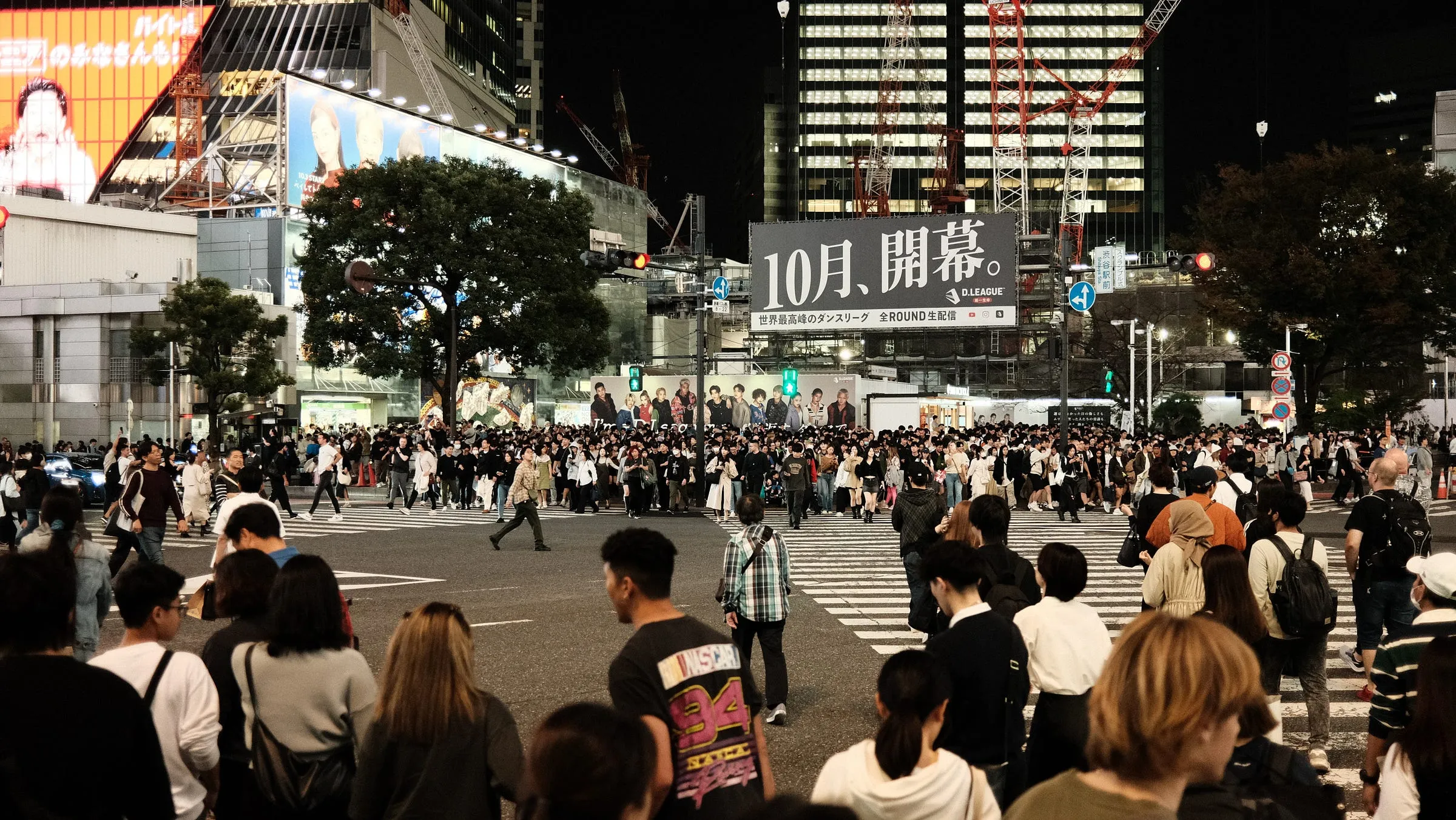
I don’t know if anything captures Tokyo’s madness better than the Shibuya crossing. At peak times, around 2,500 people cross each time the light changes.
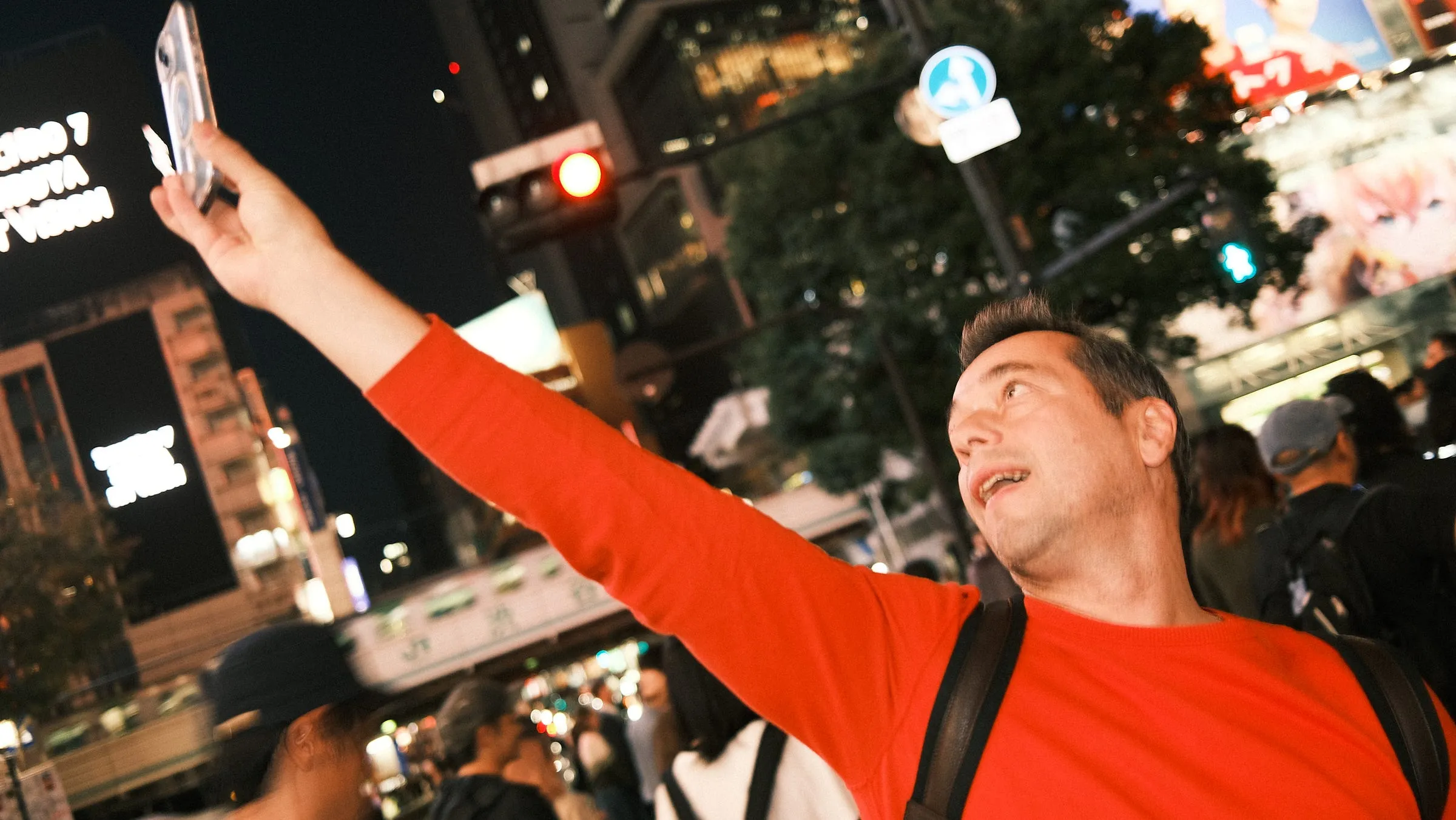
One moment you’re standing in the crowd, the anticipation building. Tourists get their phones ready for mid-crossing selfies, selfie sticks extended. Then the light turns green and, ready or not, thousands of people spill onto the street. You find yourself shoulder to shoulder with strangers, swept along in a flood of humanity.
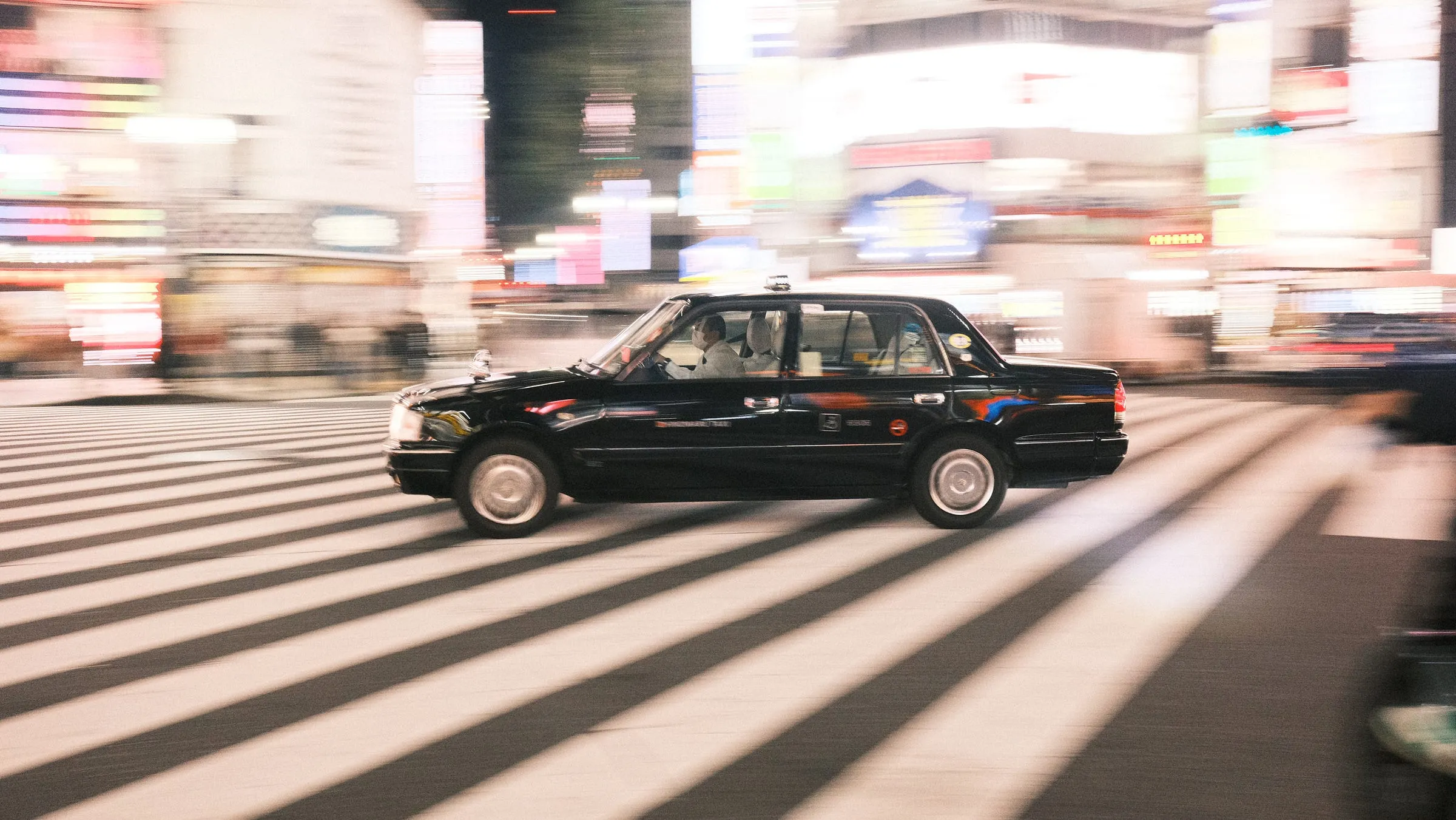
From the outside, it looks chaotic. But beneath the surface, there’s an order to it all. Amid the busy streets and overflowing train stations, I found myself noticing how smoothly things seemed to work: incredibly efficient public transport, beautifully clean streets, Shinkansen bullet trains travelling at over 300 km/h, and people going about their business with a quiet sense of purpose.
And no one crosses that intersection until the signal turns green.
Going deeper
I went to Japan with a camera and a bit of a mission. Social media had started to leave me feeling empty, agitated and unmotivated, and I wanted to spend less time on the surface and more time on work that takes focus.
David Lynch has a line about this in Catching the Big Fish: “If you want to catch the big fish, you’ve got to go deeper.”
The camera is how I go deeper. It lets me engage with a place in a meaningful way. I can sit, observe and capture people and moments. It gives me a reason to slow down, pay attention and look beyond whatever happens to be in front of me.
A nation within a city
The sheer number of people in Tokyo and Osaka was overwhelming. Around 3.5 million passengers pass through Shinjuku Station every day. Greater Tokyo isn’t just a city; it’s a nation within a city, home to some 37 million people.
It was easy to get lost in the constant movement of the crowd. It was unrelenting.
Despite this, Tokyo felt like one of the safest cities in the world, and a great place to explore on foot, which is what I did.
Neon lit the skyline. The city was a constant stream of people, with corporate branding on giant buildings and signs hanging overhead. It felt like walking through a scene from Blade Runner — particularly that moment when Harrison Ford’s Deckard stops at a street-food stall, eating noodles in the rain while the city carries on around him. I found myself looking at the streets and wondering what stories they held, and what secrets they kept.
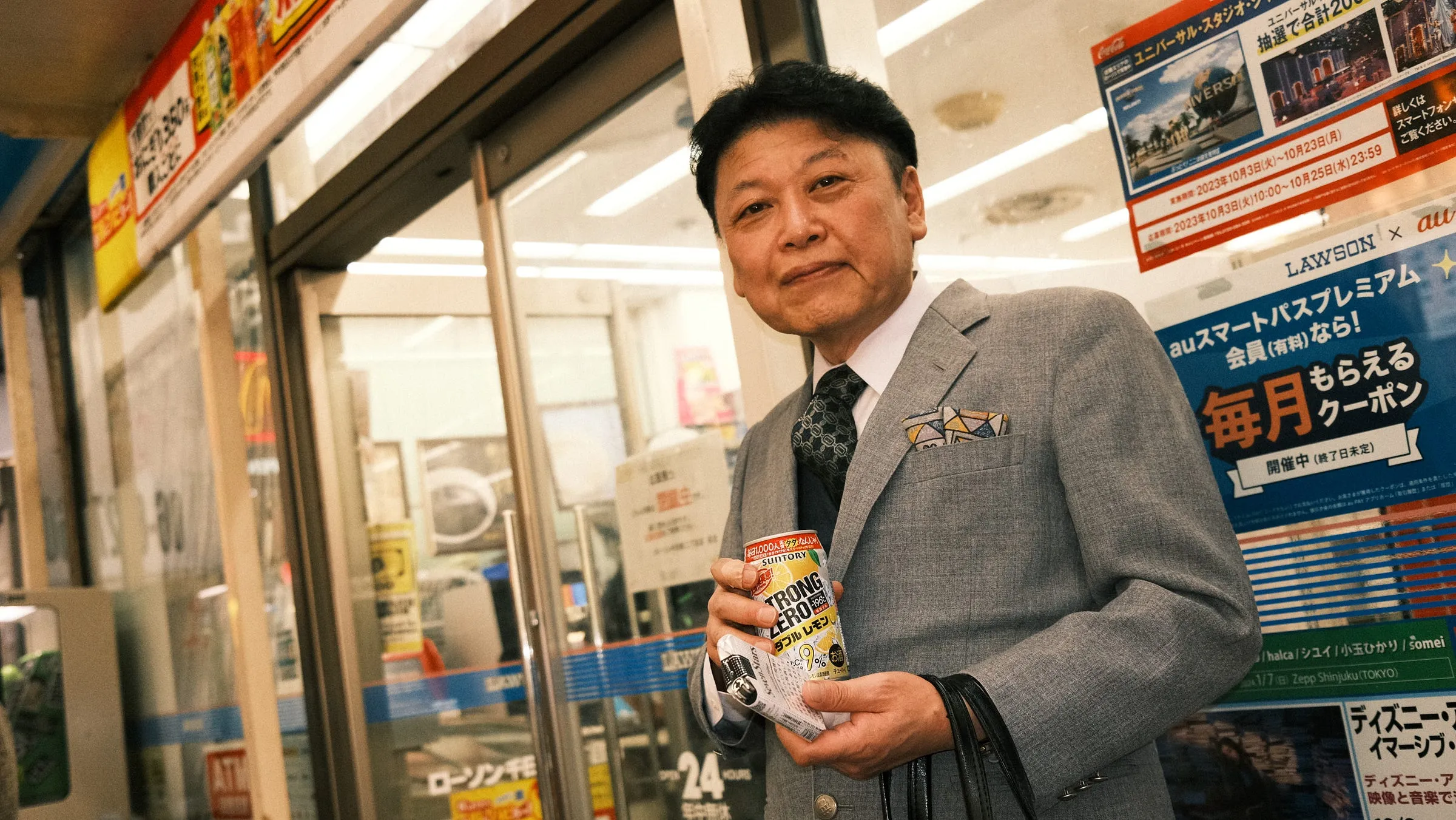
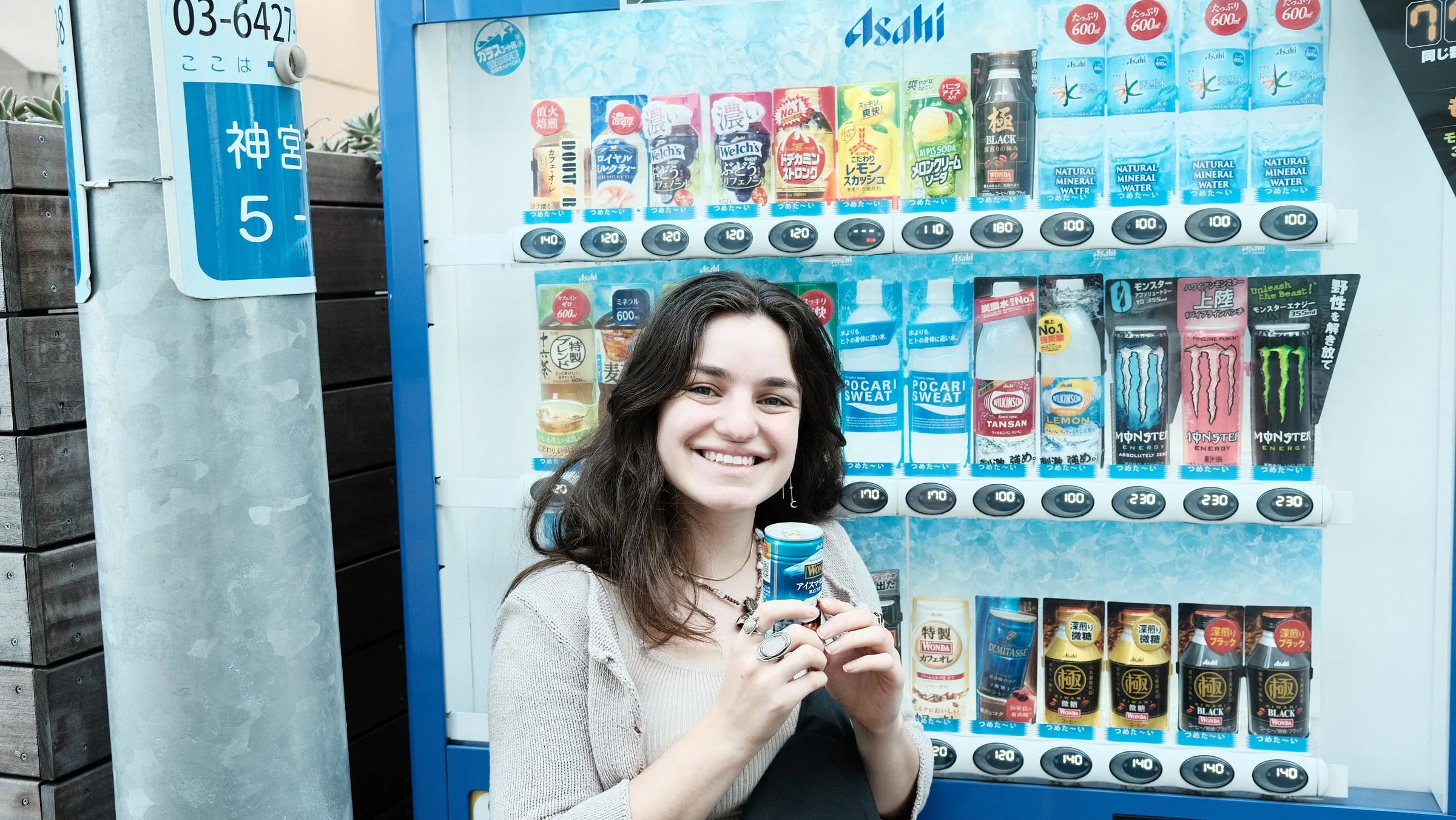
In Japan, convenience was never far away. There seemed to be a convenience store every few hundred metres, and on every block a row of vending machines selling coffee — hot or cold, your choice! — water, sports drinks and sometimes alcohol.
People often took a quick break out the front of a Lawson, 7-Eleven or FamilyMart for a drink or two before diving back into the fray, sometimes a little buzzed.
In a city of tall buildings, the sun pokes and weaves its way through the streets and alleys, disappears behind a building, then reappears, bright and sudden, around the next corner.
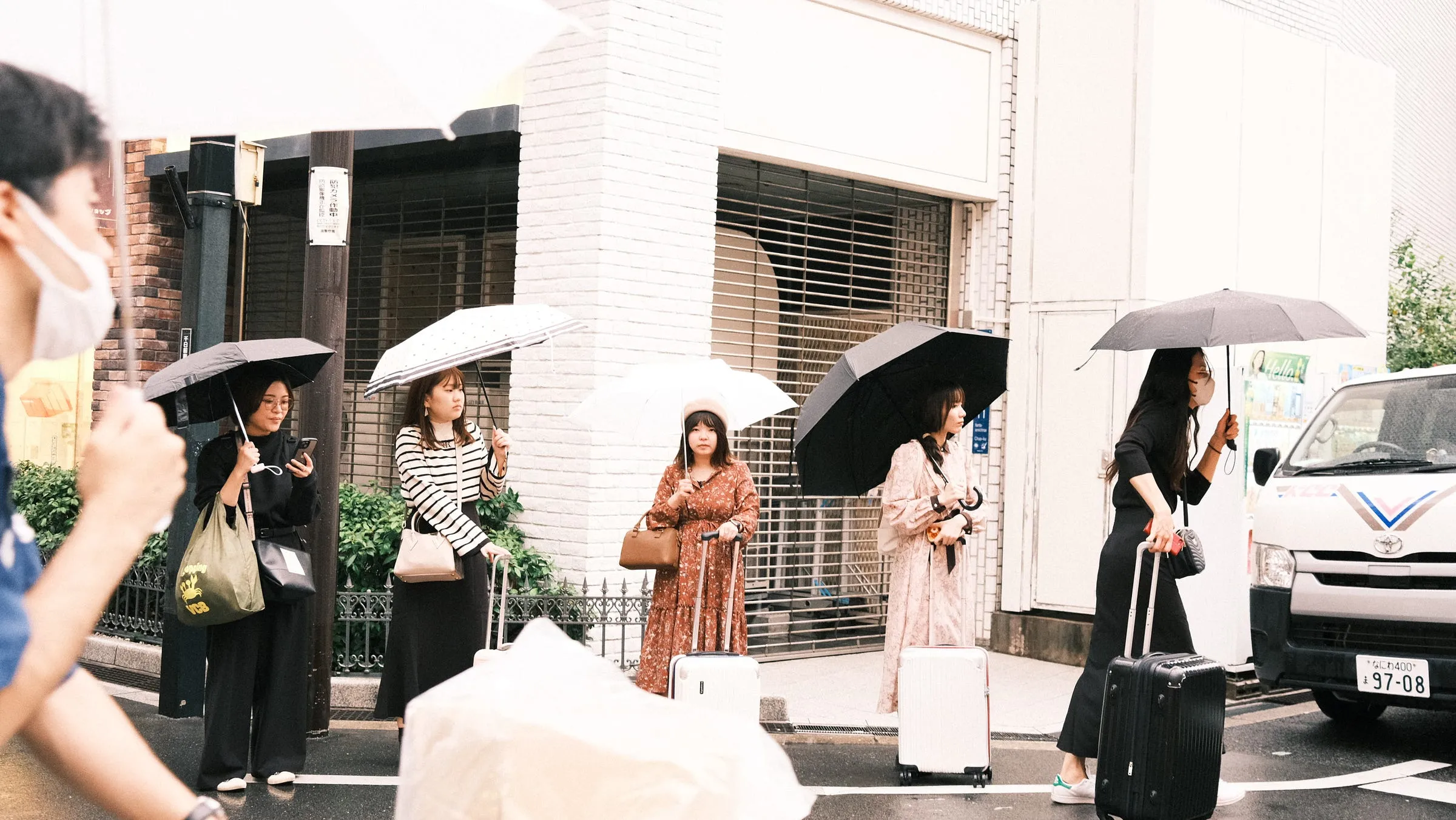
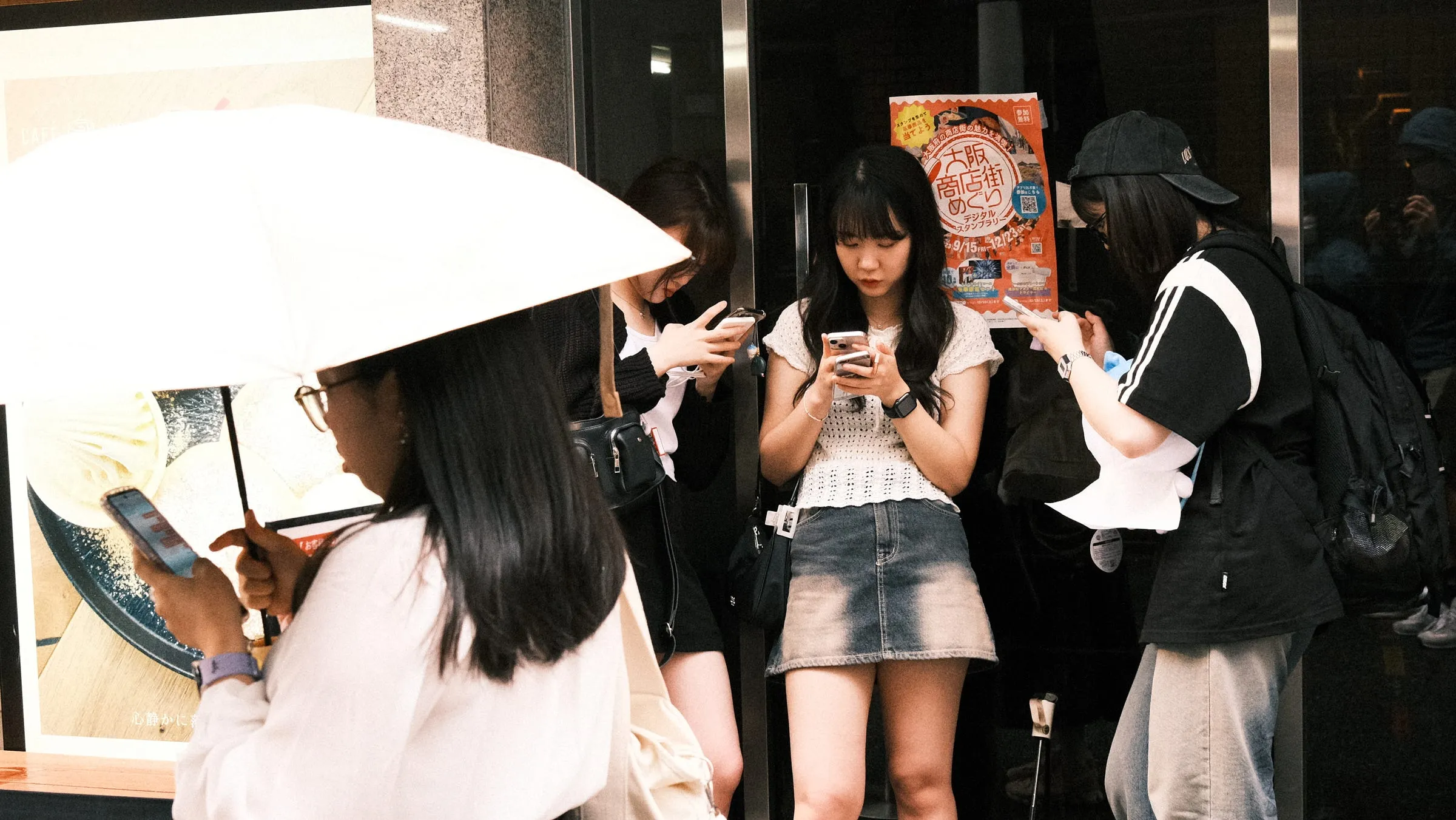
People don’t just carry umbrellas to stay dry; many use them to keep out of the sun. According to a May 2022 survey by the weather company Weathernews, people in Japan own an average of 4.2 umbrellas each.
That’s a lot of umbrellas, and it made for some fun photos.
Osaka
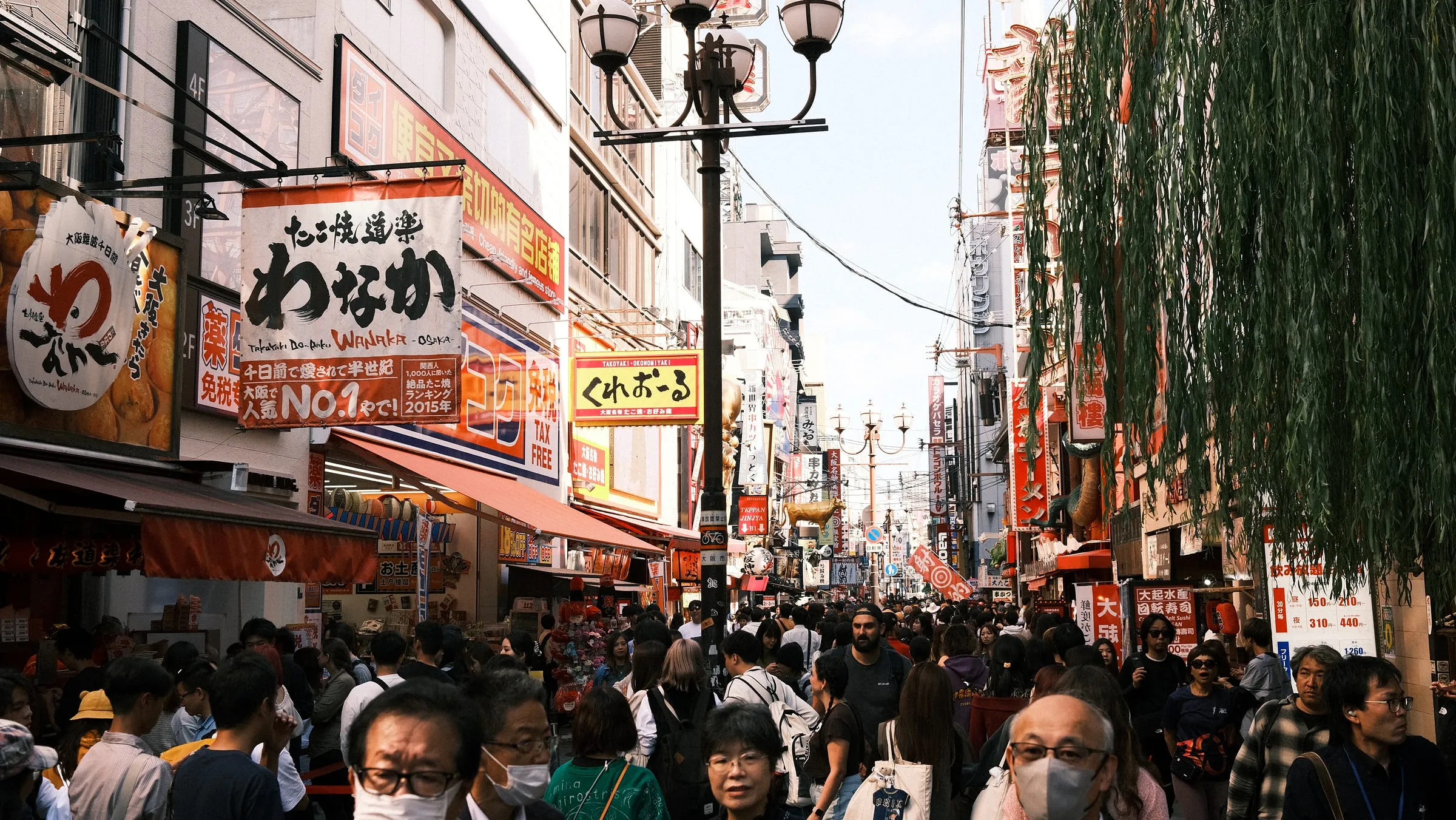
In Osaka we explored the shopping districts of Dotonbori and Namba. We were up early, catching the first rays of sunlight as the city came to life.
Wandering through the crowds, I couldn’t resist stopping at an izakaya for shumai, a steaming Japanese dumpling, with a refreshing draft beer (or three).
Re-energised, we kept walking until our legs begged for mercy, taking in the city along the way.
Cat and mouse
It takes a lot of work to photograph people candidly in Japan.
In some countries, like Vietnam, I found it easier to approach people with my camera, making no secret that I was taking photos. In my experience, most didn’t seem to mind. They’d smile, go about their business, and sometimes pretend I wasn’t there.
In Japan, I found myself approaching things differently. I was more conscious of personal space and of how quickly a camera could make someone uncomfortable.
One thing I learned, from a drunk Irishman in a pub in Shibuya (a solid source of information, I assure you), is that Japan is a high-context culture. People tend to communicate indirectly, and a lot of meaning sits in body language and what isn’t said, rather than in the words themselves.
On the street, that played out as a game of cat and mouse. I’d be setting up for a shot, and the person I had in mind would notice my camera from across the street. They’d subtly turn their head, raise a hand or change course, and the shot was gone. You learn to read the moment, keep your distance, and know when to move on.
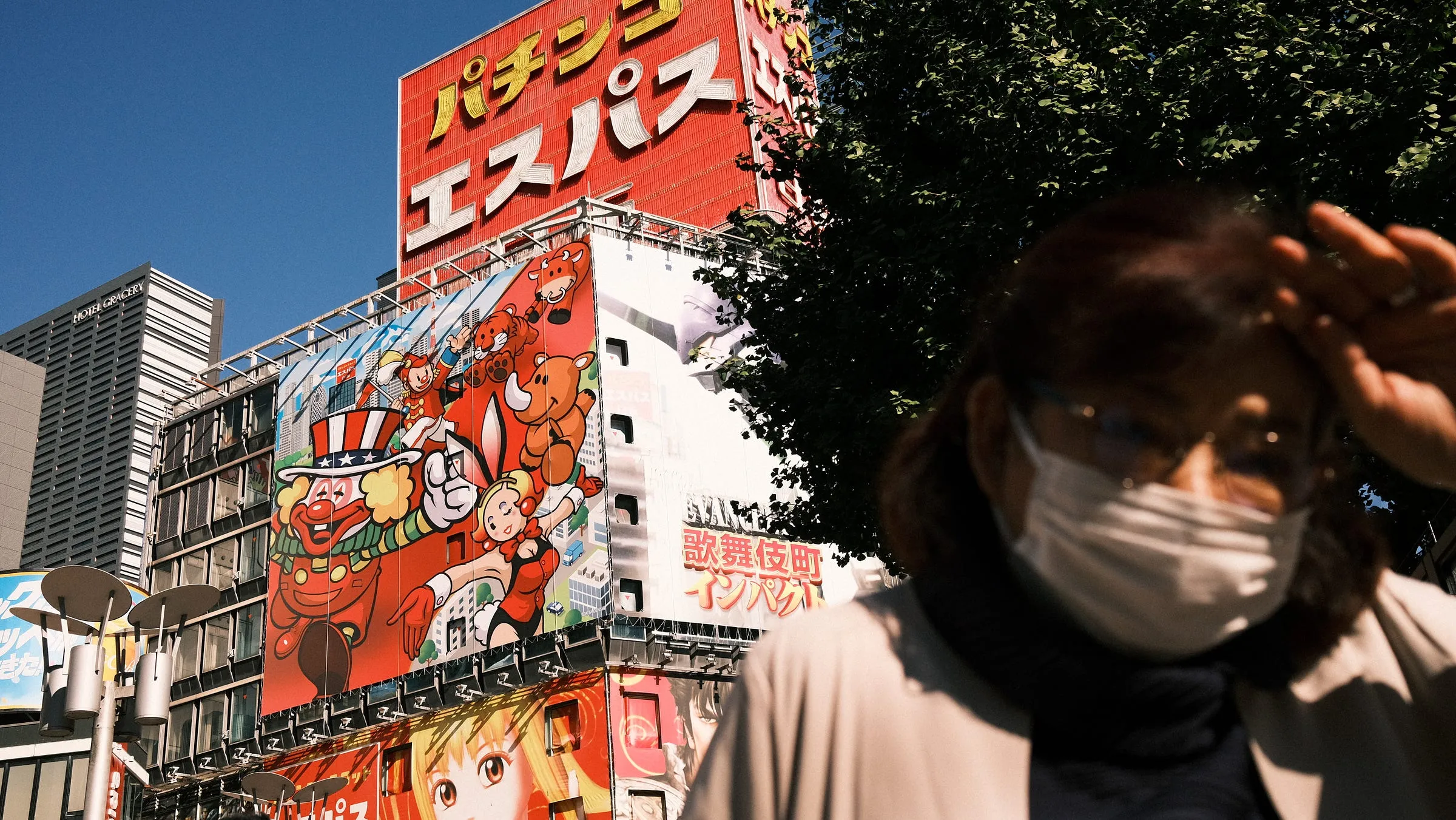
So, out of respect, I tried to stay subtle and polite when taking photos. I didn’t always manage it. But when it worked, it felt like poetry in motion.
The sleeping giant
One morning, Tokyo seemed to have disappeared.
On our first day, excited to explore, we wandered into Omotesando at 8 am, having somehow drifted away from Shibuya into the back streets. There was hardly a soul around. It was the quietest Tokyo ever got for us. The sleeping giant hadn’t woken yet, and we had it all to ourselves.
Well, us and the garbage collectors.
The truck was spotless. The uniforms were immaculate, the rubbish neatly organised, and the bloke watching on looked genuinely stoked. It was a small moment, but I found myself admiring the care that had gone into something most of us barely notice.
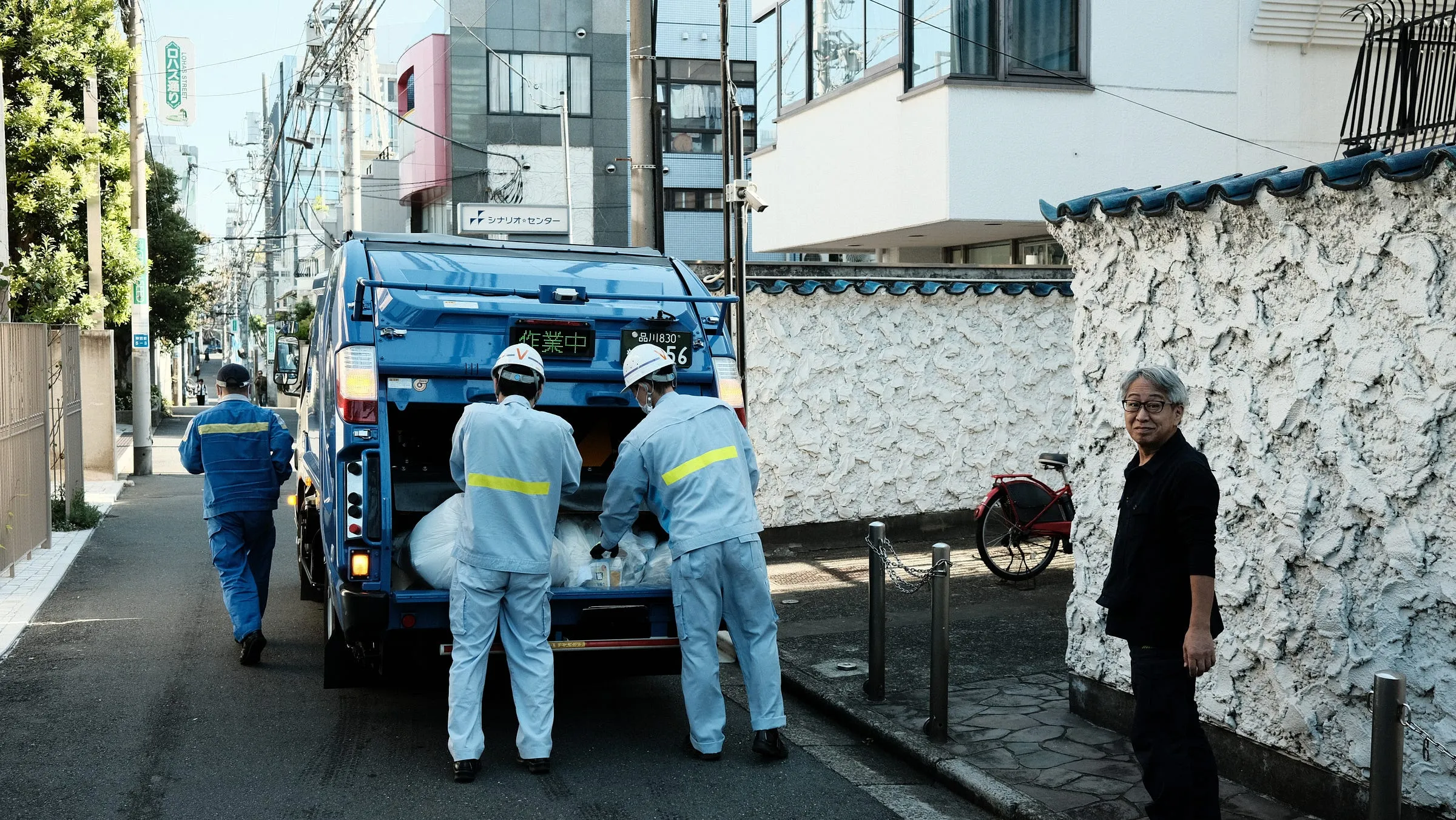
Back home in Australia, garbage trucks look like they’ve briefly crawled out of the earth’s bowels to swallow our bags of rubbish before sinking back into some smelly swamp.
That same morning was our first go at buying a coffee from a Japanese vending machine, and it was exciting as hell. I can’t wait to get back and drop another 150 yen into a machine.
One last walk
On the eve of my departure, I couldn’t help visiting Shibuya and Shinjuku one last time, camera in hand, for another attempt at catching the big fish.
Looking back, the photos were probably only scratching the surface. I hadn’t made many meaningful connections, and I wasn’t sure I’d captured anything particularly special. But the trip had left me with something I hadn’t expected: a real hunger to return.
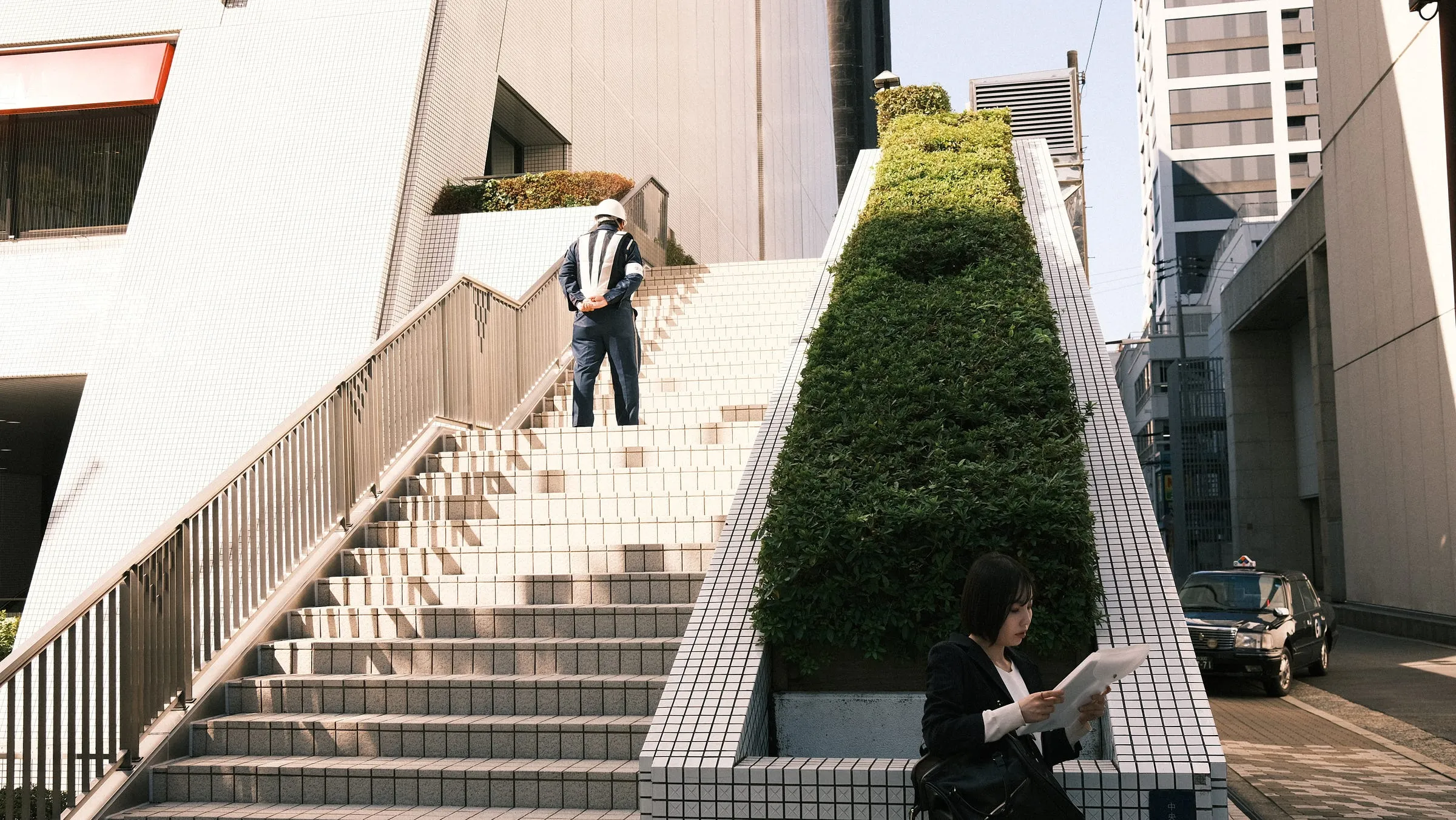
I wanted more time in those streets. More time to slow down, get past the obvious shots and find a way to connect with the people and places around me. Maybe next time I’d come a little closer to catching the big fish.
As Haruki Murakami put it in What I Talk About When I Talk About Running:
“You have to wait until tomorrow to find out what tomorrow will bring.”