Pristine Coat PaintingGuides and SEO
Exterior House Painting on the Central Coast: Your Questions Answered
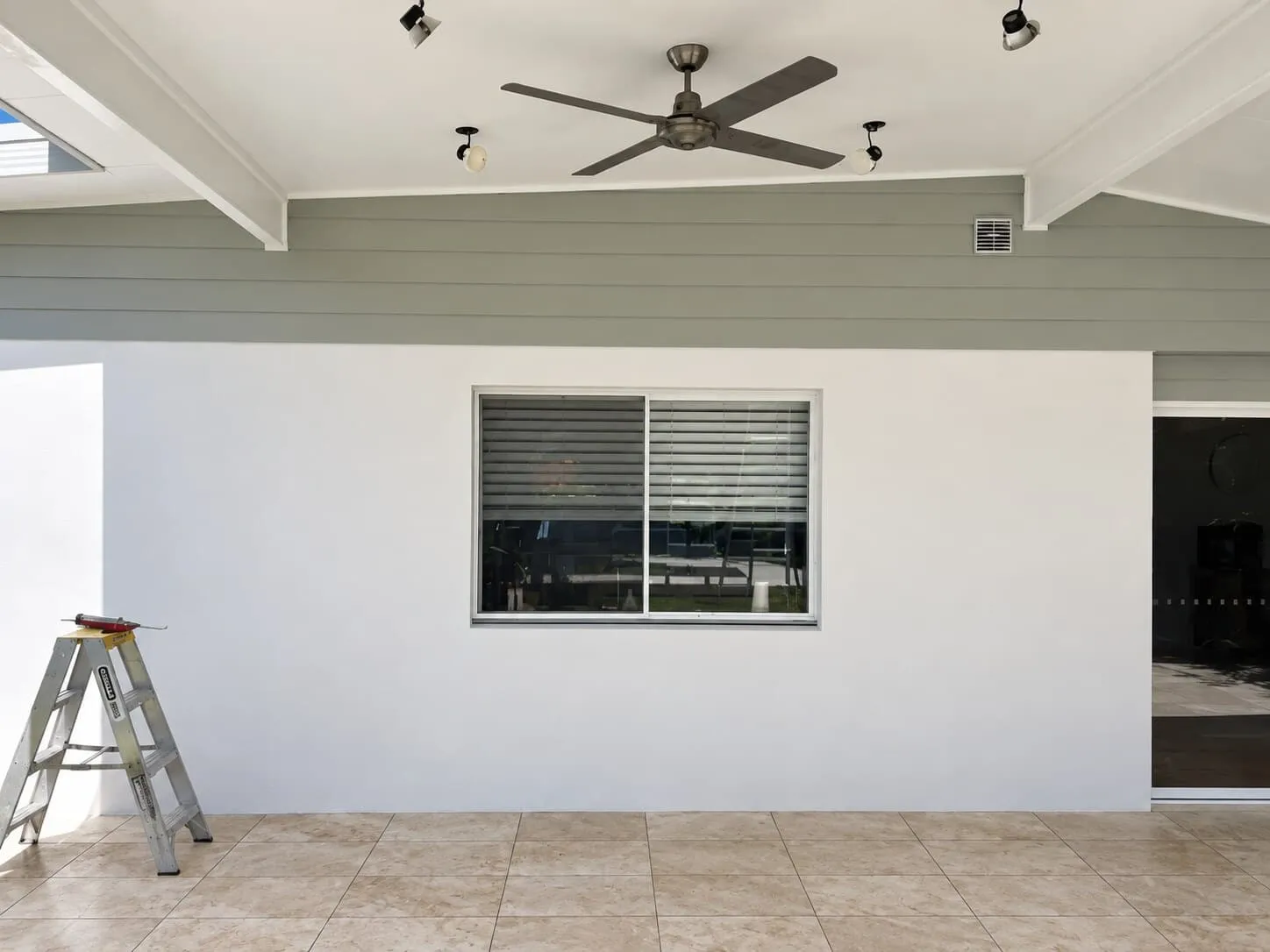
A good exterior paint job on the Central Coast comes down to three things: a quality low-sheen exterior acrylic, proper preparation, and painting in the right weather. In Dylan’s experience, a well-prepared repaint usually lasts five to ten years before it needs a refresh.
We asked Dylan, owner of Pristine Coat Painting, the questions homeowners search for most. Here are his answers, straight from the job site.
What’s the best exterior paint for Australian weather?
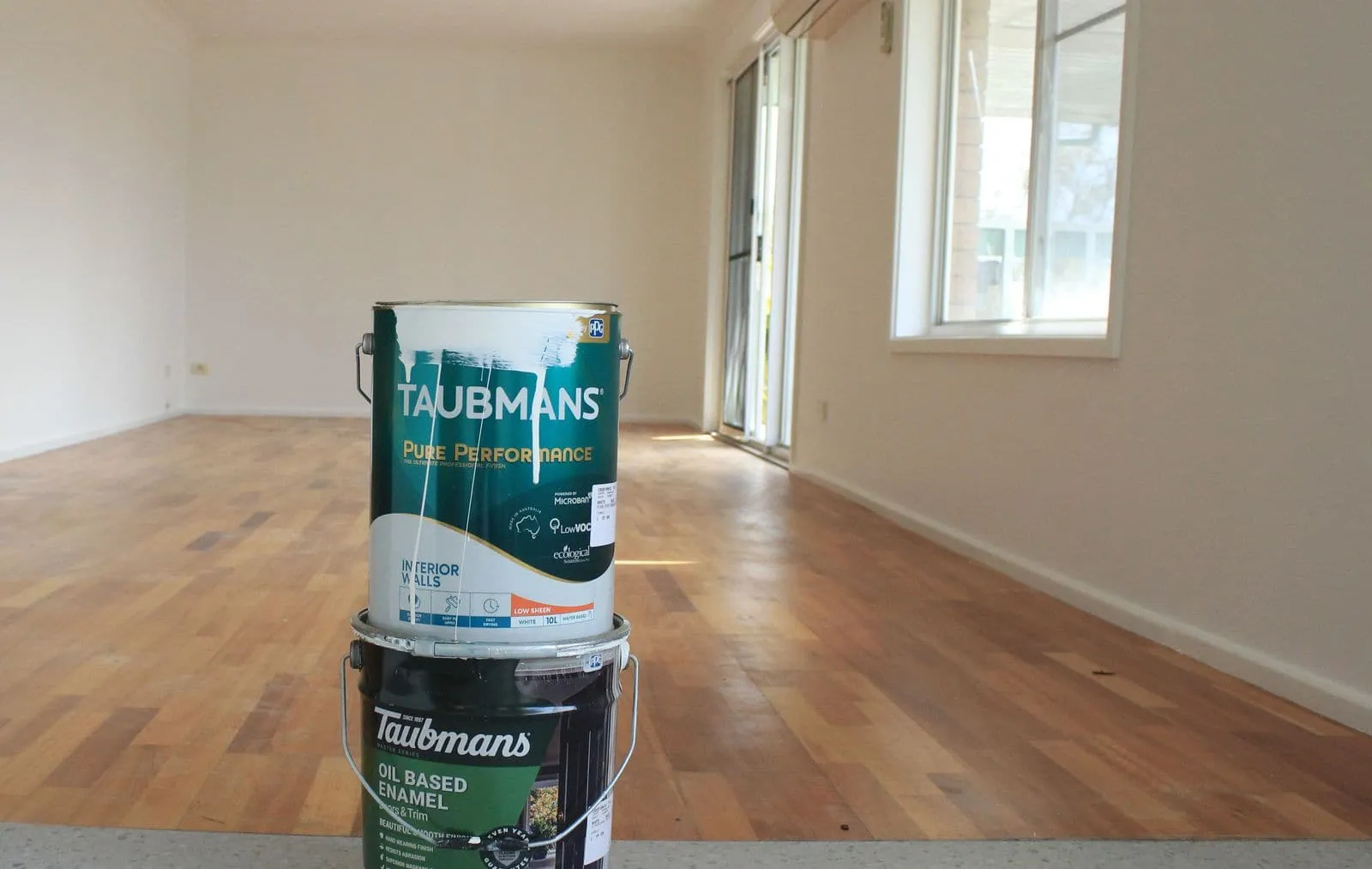
For most Central Coast homes, a premium low-sheen exterior acrylic from a major Australian brand is the right choice. Dylan uses Taubmans’ top exterior low sheen on almost every repaint.
“I use Taubmans and I trust them,” he says. “It’s just the top.”
Dulux Weathershield, Wattyl Solagard and Taubmans’ premium exterior range are all built for Australian UV and rain. Knowing the product well and applying it properly matter as much as the brand on the tin.
What is the toughest exterior paint?
There’s no single toughest paint, because “tough” can mean different things: resisting peeling, fading in UV, cracking as timber moves, or mould. Dylan’s pick for a hard-wearing exterior is Taubmans’ top exterior low sheen, because it’s the top of the range and he trusts how it performs. Whatever paint you choose, it only lasts as long as the prep underneath it.
What paint do professional painters use?
Most professionals stick with one brand they know well. They get trade pricing, they know the recoat times, and they know how it behaves in heat and humidity.
When a customer asks for a specific brand, Dylan explains why he uses Taubmans. “Once I explain that I use Taubmans and I trust them, they usually swing.” He only reaches for a specialist product in two or three unusual situations.
Which is better, Dulux Weathershield or Wattyl Solagard?
Both are premium exterior paints from big Australian brands, and both do a good job on a well-prepared house. Dylan uses neither. He sticks with Taubmans because he trusts it and gets good trade prices.
“It’s not like I’m against Dulux,” he says. “It’s just expensive. Everyone just loves a big fluffy dog.” That’s a nod to Dulux’s famous sheepdog ads. “They’ve marketed themselves well.”
What really separates premium exterior paints is how well they resist UV fading, chalking and cracking, and whether they suit your surface. Ask your painter which product they use and why. A good painter will have a clear answer.
Does a beach house need a different paint?
No. A house in Terrigal or Avoca Beach doesn’t need a different paint from one in Kariong. It needs a much better wash first.
Salt and grime build up on coastal walls. Paint sticks to whatever is on the surface. “If it’s on the beach, I just make sure it gets a good gurney before any painting starts,” Dylan says.
A good wash doesn’t mean blasting the house. Too much pressure can force water behind weatherboards or damage old timber and paint. The walls are washed carefully, any mould is treated, and everything is left to dry before painting starts.
He was once called to a brick house where another painter had sprayed straight over mould and salt build-up without washing it. “The paint’s not going to stick to the wall. It’s going to stick to the debris.” The whole job had to be fixed.
Can I just paint over old exterior paint?
Sometimes, but not without preparation. New paint can go over a sound old coat once the surface is clean, repaired and dry. Skipping those steps is where most outside jobs fail.
Dylan follows the paint manufacturer’s system and recoat times rather than just painting once it feels dry. Here’s his prep on a typical weatherboard house:
- Wash the house down to remove dirt, salt and mould, then let it dry fully.
- Seal cracks and open joints with a flexible exterior sealant, such as around window and door trims, corners and nail holes. The overlaps under weatherboards stay open, because they let water drain out.
- Fill holes and imperfections with exterior timber filler.
- Sand everything back.
- Undercoat anything that needs it.
- Apply two top coats, or a third where a big colour change or the surface needs it.
“A lot of people don’t wash stuff down if it needs it,” he says. “We always gap and fill everything and undercoat anything that needs undercoating.”
What about lead paint?
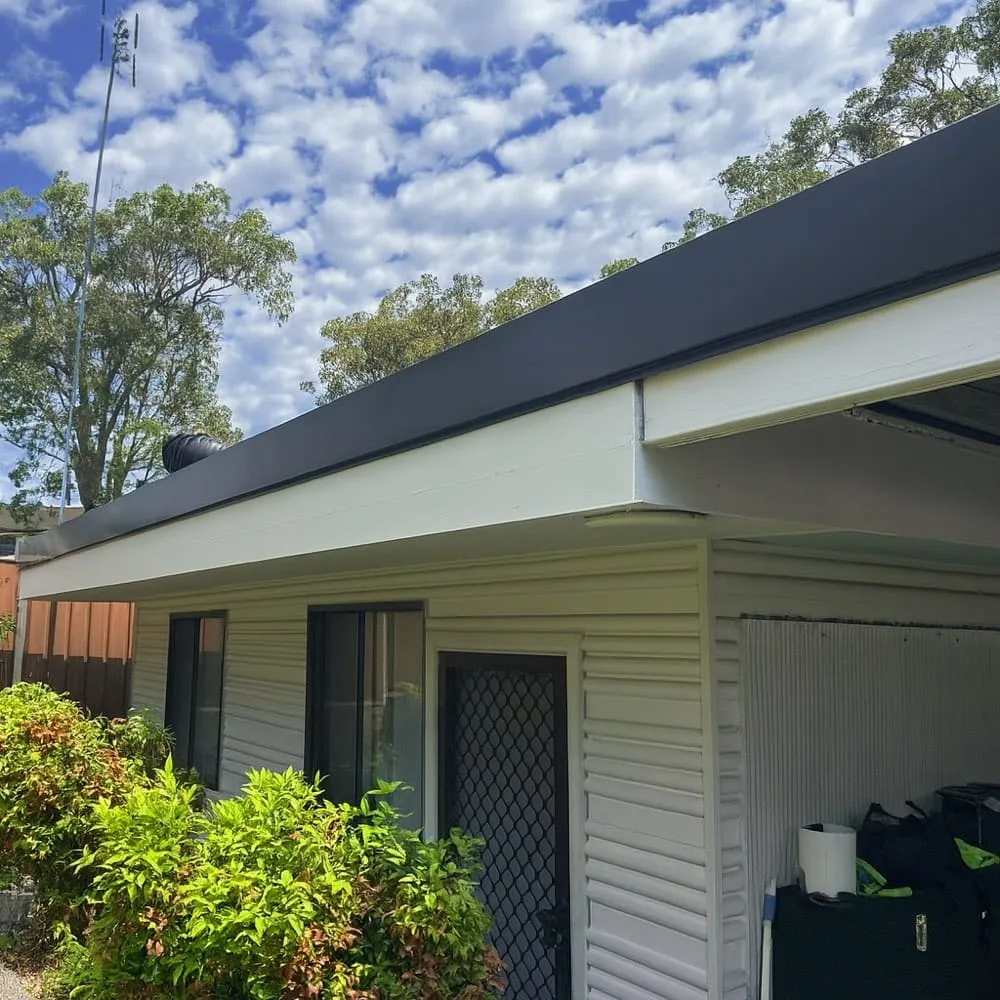
Many Australian homes built before 1970 have lead in the original paint. Sanding, scraping or pressure washing it releases toxic dust and flakes. It’s rare on Dylan’s jobs, but where he suspects it, he tests the paint before any prep starts. If the test is positive, the job switches to lead-safe methods that contain the dust and debris, and the regular prep steps above don’t apply.
When should you not paint outside?
Don’t paint outside in rain, high humidity, strong wind, or when it’s very hot. Each one stops the paint drying properly or ruins the finish.
- Rain: wet paint washes off or marks.
- Humidity: paint takes far too long to dry, which affects the finish. Dylan had an interior limewash job early this year that simply wouldn’t dry because of the humidity.
- Heat: “If it’s too hot, the paint dries way too quickly,” which leaves lap marks.
- Wind: blows dust and debris into wet paint.
What’s the best time of year on the Central Coast?
Autumn, according to Dylan. Winter can be the worst, because a warm winter day on the coast is often very humid.
Is there a time of day to avoid?
Not really. Good painters work around the sun. On a hot day, Dylan’s crew starts on one side of the house and moves around as the sun moves, so they’re never painting a wall in full afternoon heat.
Should I paint weatherboards with a brush or roller?
A brush. It gives the best laid-off finish along each board, and it’s the method Dylan’s crew uses on weatherboards.
| Method | Dylan’s view |
|---|---|
| Brush | Usual choice for weatherboards. “It just gives a nice laid-off finish.” |
| Roller | Possible, but the brush gives a better result on boards. |
| Spray | Rarely used outside. Overspray can drift onto neighbours’ houses and cars. |
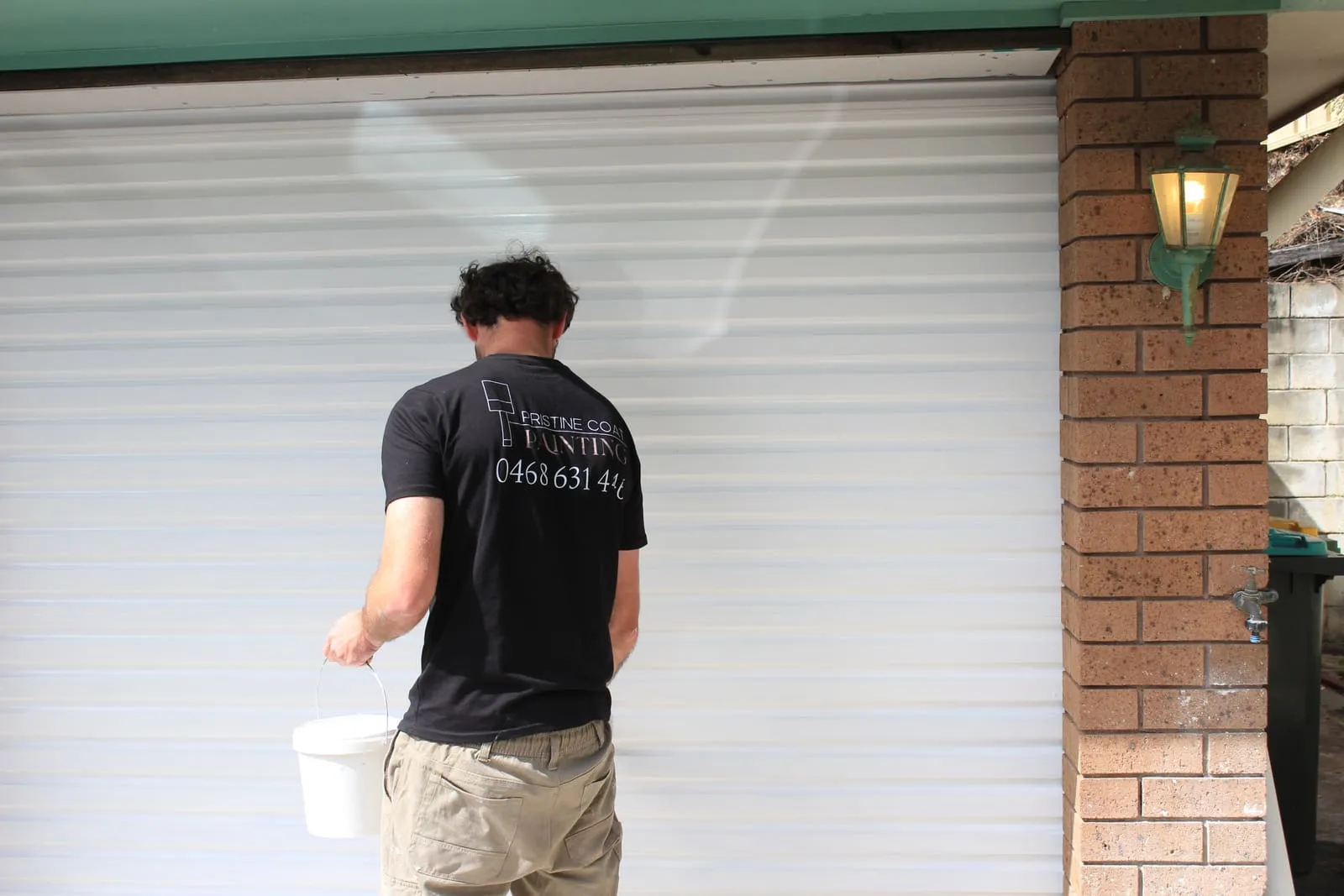
Spraying has its place. Dylan sprays Colorbond fences and empty interiors before new floors go down. When the crew sprays ceilings, they back-roll straight after for an even finish.
How long does an exterior repaint last?
In Dylan’s experience, five to ten years on the Central Coast before it needs a refresh. That’s a typical range, not a guarantee: exposure, the surface, the colour and the prep all play a part. Beachfront homes and neglected older houses sit at the shorter end.
Why not just do it yourself?
Because the prep is most of the job, and it’s the part people underestimate. “People think, we’ll get it done this week, and then it blows out to months,” Dylan says. “It’s a four-year trade for a reason.”
The one thing he wishes every homeowner knew before getting quotes: “There’s way more prep than people think. We’re not ripping you off, but it’s not cheap either.”
Planning an exterior repaint on the Central Coast? See Pristine Coat Painting’s exterior painting services, read how to compare exterior painting quotes, or get in touch about a quote.